
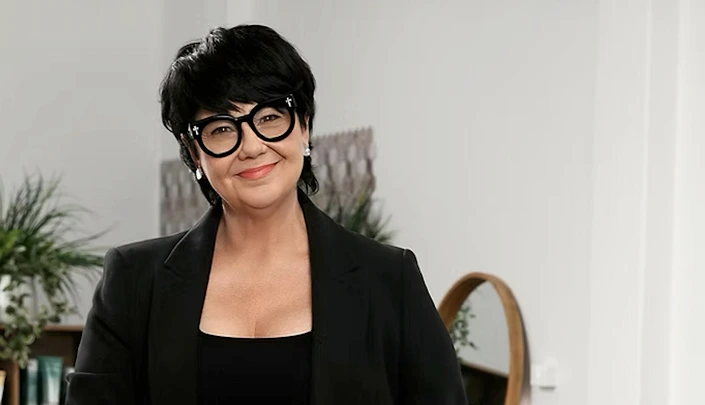
By Kerrie DiMattia, DiMattia & Co. owner and EXO-GROW™ Brand Partner
Hormonal hair loss is becoming an increasingly important conversation in salons. From postpartum shedding to hair changes through perimenopause and menopause, clients are arriving in the chair with more awareness, more questions and more research behind them.
While there are many causes for hair loss and thinning, hormonal changes are among the concerns hair professionals increasingly hear about in the salon. For professionals, this creates an opportunity to offer something clients cannot find through a search engine alone: an informed, empathetic conversation supported by professional knowledge and credible hair and scalp solutions.
After 45 years behind the chair, I've learned that supporting clients through hair thinning isn't about promising a quick fix. It's about knowing how to start the conversation, when to listen, where our professional boundaries lie, and how to provide the right support.
The early days, and what I got wrong
I've been dealing with thinning hair for most of my 45 years behind the chair. Clients would notice their ponytail felt smaller or their hairline had changed, and this often came after pregnancy or through perimenopause and menopause. Back then, we could only reassure them, suggest a product we hoped might help, and recommend a scalp massage to get the blood flowing. We could see the problem, but I didn't have the education or a credible system to support them.
So when I noticed a change, I'd go in like a bulldozer, convinced it was my job to fix it on the spot. I used to think that noticing gave me the right to lead the conversation. Now I understand my job is to gently open the door and let the client decide whether she wants to walk through it.
Understanding hormonal changes as one of the causes for hair loss
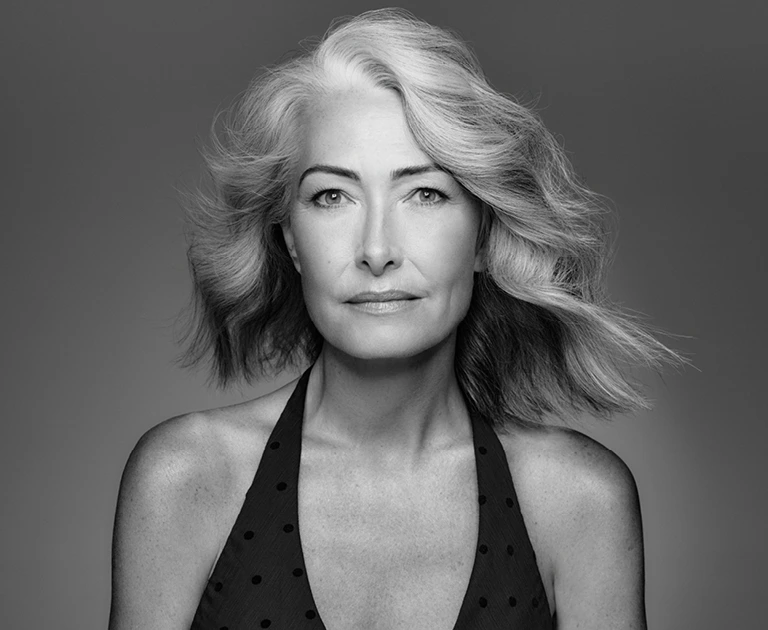 This, to me, is where everything has changed. Women are talking about menopause, perimenopause and postpartum changes far more openly than they ever did. For years, women experienced enormous changes without necessarily understanding what was happening to their bodies. Now they have that information within reach. It's no longer just her and me in the conversation. There's a third and fourth voice coming through, made up of everything she's already heard, read and researched.
Postpartum clients are more prepared for shedding too, because they understand it and can expect it. Knowing it may happen doesn't necessarily make it easier, but it can make it less frightening.
Hormonal changes are among the factors that can disrupt the natural hair cycle and contribute to excessive shedding or thinning, alongside genetics, stress and medical conditions. DermapenWorld's existing professional education also discusses androgenetic alopecia and telogen effluvium in the context of hair thinning and shedding.
For hair professionals, understanding these different influences is an important part of having an informed conversation, while recognising when a concern needs to be referred to another qualified professional.
The power of hair professionals
I've looked at a client I know really well, and within the first few minutes of a consultation, something just feels off. Then I run my hands through her hair, and somewhere in my mind there's a memory of what her hair always feels like. Something has changed before either of us has said a word about it.
That instinct tells us something has shifted, and more often now, the role of hormones is the first thing the client raises. We need to be ready for those conversations. That readiness has to come from professional education, not something picked up from a 30-second TikTok. It means understanding the basic language around hair and scalp health, knowing where our professional boundaries lie, and understanding which questions are appropriate to ask.
We deal with hair and scalp every day, but that doesn't mean we should overstep. Staying in our lane matters to me. If something sits outside my expertise, I'll recommend a trichologist or GP. We need to be honest without being alarming, and supportive without making promises nobody can guarantee. We need to be the person our clients can sit in front of, knowing we've got enough knowledge to walk them through the conversation and point them in the right direction.
What's underneath the question about thinning hair?
The biggest concern I hear is always some version of: "Is this going to keep getting worse?" Clients worry the hair they've lost may never return, or that the recession keeps creeping further back.
Think about a new mum, running on very little sleep, who looks down at the bathroom floor and sees hair everywhere. Or a woman moving through perimenopause and menopause, already dealing with night sweats, disrupted sleep and mood changes, who then looks in the mirror and sees her hair has changed too.
She worries that everybody else can see it, asking if I can tell how thin her hair is or whether her scalp looks obvious. To the client in the chair, she's the only one with that problem. So lending an empathetic ear, simply being there to help her feel heard, matters before anything else we can offer.
Empathy and science-backed solutions work together
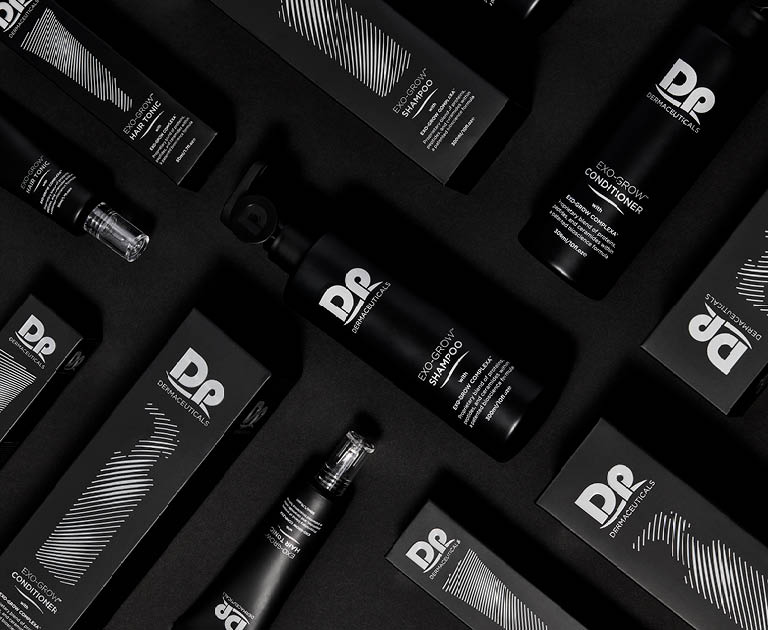 What eventually changed things for me in this space was finding a foundation that's science-backed and simple enough to use. Having EXO-GROW™ in the salon has changed my consultations completely. It's given us something credible to support the conversations we were already having.
I'm upfront that hair growth is low and slow. One visit to the gym doesn't make you a bodybuilder. But what's surprised me with EXO-GROW™ is that many clients tell us, and we're seeing it in the salon, that their hair feels fuller and their scalp feels better from the first use. It isn't the same as new growth, but it can give clients an immediate confidence boost while we allow time for the longer-term process to work.
Where a client is comfortable, we like to take photographs at each visit, so she can see the gradual change for herself. Some clients do the same at home, once a week or once a fortnight, and by the time they compare month one to month six, the difference speaks for itself.
From recognising hair loss to confidently supporting clients
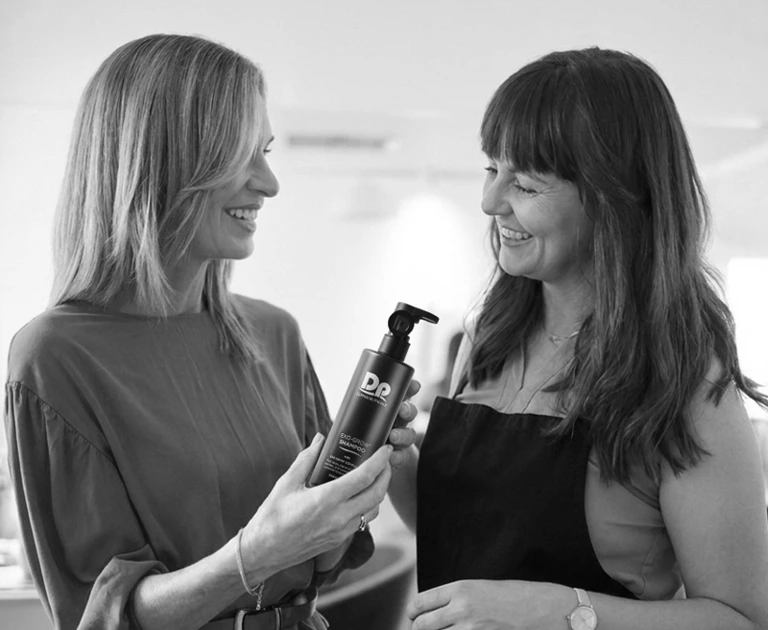 We're the people who show up for something deeply personal like hair loss, and responding with empathy in that moment is a privilege. Today, hair professionals can support that empathy with greater education, professional hair and scalp knowledge, clear professional boundaries and science-backed solutions.
For me, that's the biggest change I've seen. It's no longer simply about recognising that something has changed. It's about knowing how to have the conversation, understanding when to refer a client for further advice, and having credible options available when appropriate.
As aesthetic science continues to evolve across both skin and scalp hair solutions, DermapenWorld remains focused on equipping professionals with the technologies, education and science-backed solutions to confidently support a wider range of client concerns.
Now, we can support our clients with a credible plan and a commitment to walk the journey with them.
Take the next step in professional hair and scalp care. Explore EXO-GROW™ and discover DermapenWorld's professional approach to advanced hair and scalp solutions.


